


Mockup Creator Pro
Onion Tavern
I approached Mockup Creator Pro as a practical design tool rather than a full graphics studio. Its purpose is focused: creating three-dimensional product mockups on a mobile device. That focus makes it interesting for quick presentation work, especially when I need an image that looks more finished than a flat screenshot but do not want to open a complex desktop program.
In my experience, the app makes the most sense in a shared household where one person handles a small shop, school project, craft business, or social media page and another person occasionally helps with ideas or presentation. It is free to install, marked for Everyone, and developed by Onion Tavern. The app has an average rating of 3.8 from around 429 ratings, so I would describe its reception as mixed but reasonably positive rather than universally polished.
The important thing is to understand what kind of tool this is. I would not choose it as my only design application, and I would not expect it to replace a professional 3D package. I would choose it when the job is to turn a product concept, label, cover, package, or visual asset into a more convincing mockup without building the entire scene from scratch.
How Mockup Creator Pro works in a shared household
A useful role for quick product presentations
A realistic everyday example would be a family member preparing a handmade item for a local sale. One person has the artwork for a label, another has taken a product photo, and a third person wants a cleaner image for a message or social post. Instead of passing around a large desktop project, the person responsible for the presentation can use the phone or tablet to create a 3D-style preview and show it to everyone nearby.
That workflow is valuable because mockups answer a question that a flat design cannot: how might the finished item feel when it is placed in the real world? A simple label can look ordinary on a blank canvas, yet become much easier to judge once it appears on a package or another product surface. I found that this visual step is particularly helpful when people are discussing size, placement, color balance, or whether the design looks too busy.
Related News

Why WhatsApp Messenger Still Makes Everyday Communication Feel Easy

Jurassic World: The Game Is the Better Dino Tycoon for Strategic Players

Threads in Real Life: Who Should Join, Lurk, or Leave

How SHEIN Turned Shopping Into an Endless Content Feed

How to Make Fortnite Feel Smarter on Mobile

Should You Switch to Microsoft Outlook on Mobile?
The app’s store summary describes it as a way to design 3D product mockups with little effort, and that is the right expectation. The attraction is speed and accessibility, not deep modeling control. If I only need to prepare a visual proposal, compare a few concepts, or make a presentation image, a focused mockup app can be more comfortable than a general-purpose editor with dozens of unrelated tools.
Why shared use needs a clear owner
Although the app can be useful around a household, I would still give it a clear owner. Shared devices often create confusion when several people edit the same project, change a visual without telling anyone, or leave the app in a state that another person does not understand. This is not a criticism of the design tool itself; it is a normal problem whenever creative work happens on a phone used by more than one person.
My practical approach would be to decide who is responsible for the working version before starting. That person should make the main choices about the product angle, artwork placement, and final image. Other household members can review the result and suggest changes, but the project should not become a free-for-all where every participant adjusts the scene independently.
Gallery
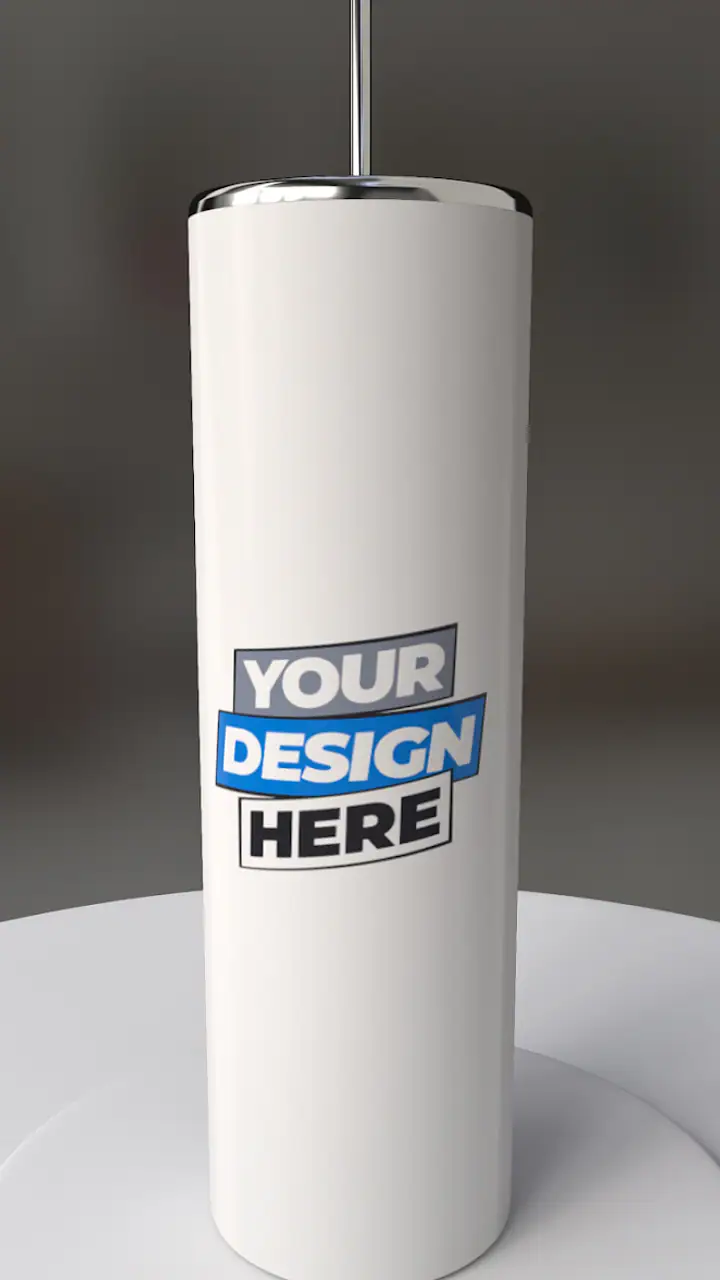
This matters even more when the device belongs to a parent but a teenager uses it for a school or creative project. The app is suitable for Everyone in its content classification, yet that does not automatically mean every user will understand the difference between a draft and a finished design. A short conversation about what can be changed, saved, or shared is more useful than assuming the app will organize the household for you.
Setup boundaries before the first design
Before I begin, I like to settle three boundaries: what the image is for, who may edit it, and where the finished version should go. These decisions sound basic, but they prevent a lot of wasted work. A mockup prepared for a private discussion does not need the same care as one intended for a public product page, and a school assignment may need a different level of originality than a quick family presentation.
I would also prepare the artwork before opening the editor. A clean logo, readable label, or properly cropped design gives the mockup a much better starting point. If the source image is cluttered or poorly framed, changing the 3D presentation will not solve the underlying problem. This is one of the app’s less obvious trade-offs: the tool can make a design look more tangible, but it cannot replace careful preparation of the design itself.
On a shared device, I would keep a simple naming habit for drafts. Names such as “label idea one” or “front package revision” are more useful than leaving several nearly identical images in the gallery. This is especially helpful when a child or another family member returns to the project later and needs to know which version is current.
The app runs on Android starting with version 8.0, which makes it accessible on a range of devices that are not necessarily new. Even so, the experience will depend on the phone or tablet’s screen size, memory, and general responsiveness. I would prefer a larger screen for precise placement and visual comparison, while a smaller phone is better suited to quick adjustments and previews.
Coordination between creator and reviewer
The strongest household workflow is not simultaneous editing; it is structured review. I would create an initial mockup, show it to the other person, and ask focused questions: Is the product easy to recognize? Does the artwork sit in the right place? Is the angle helping the design, or distracting from it? Those questions produce better feedback than simply asking whether everyone likes the image.
This approach also prevents the common mistake of treating a 3D mockup as proof that the physical product will look exactly the same. A mockup is a presentation aid. It can communicate an idea, but it may not reflect the final material, lighting, printing, texture, or manufacturing details. When I use one for a household project, I make sure everyone understands whether we are reviewing the concept or approving a final production decision.
For a small family business, one person could handle the visual design while another checks whether the mockup is understandable to someone who has never seen the product. That second viewpoint is valuable. Designers often notice alignment and color first, while a potential customer may only notice whether the product name is readable and whether the object looks trustworthy.
A useful tip is to compare the mockup at the size where people will actually see it. A design that looks excellent while zoomed in may become unreadable in a small message preview. I would inspect the image both close up and at a reduced size before sharing it. This is a simple quality check, but it is one of the easiest ways to catch a weak result.
Age, trust, and responsible sharing
Because the app is rated for Everyone, I can see it working for a wide age range, including supervised creative use by younger users. The more important consideration is not the age label but the material being placed into the mockup and the destination of the finished image. A child may use the app for a poster, book cover, or imaginary product, while an adult may use it for a real commercial idea. The same editing action can have very different consequences depending on the project.
I would encourage younger users to work with original drawings, family-approved images, or assets they are allowed to use. A polished mockup can make copied artwork look ready for publication, which is exactly why a quick discussion about ownership and permission is worthwhile. The app can improve presentation, but it does not make an image free to use.
Shared-device trust also means checking an image before it leaves the household. Product concepts can contain names, phone numbers, addresses, school details, or unfinished business ideas. I would review the visible design and the surrounding image before sending it to a group chat or posting it publicly. Keeping the review step with an adult or project owner is sensible when the image represents someone else’s work.
The app includes in-app purchases ranging from $7.99 to $32.99 per item. Since the basic app is free, I would let the actual workflow prove its value before paying for anything. On a shared device, that decision should be made by the person responsible for the project, not by a child experimenting with the interface. I would also explain clearly that free installation and optional purchases are separate things, so nobody mistakes one for the other.
Where it fits beside ordinary alternatives
The usual alternative is a general image editor. That type of app may offer more control over layers, typography, retouching, and export adjustments, but it often requires more manual work to create a convincing product scene. Mockup Creator Pro is more appealing when the three-dimensional presentation is the main goal and the user wants to spend less time constructing perspective and shadows from the beginning.
Another alternative is a desktop design or 3D application. Those tools are better when I need exact geometry, advanced materials, camera control, animation, or a repeatable professional pipeline. They are also more suitable when several people need to collaborate on a large project with strict version management. The trade-off is that they demand more learning, more setup, and usually a more capable computer.
There is also the option of using a ready-made online mockup service. That can be faster for common products, especially when a user wants a familiar template and does not need much customization. A dedicated mobile app becomes more attractive when I want to work directly on a phone, make quick revisions away from a desk, or keep the creative process more self-contained.
My recommendation is therefore conditional. Choose this app when convenience and a 3D product preview matter more than advanced control. Choose a traditional editor when the artwork itself needs extensive correction. Choose a desktop 3D tool when precision, repeatability, and complex scenes are central to the job. No single option wins every situation.
Practical techniques that improve the result
My first useful technique is to treat the mockup as a communication test rather than decoration. I begin with the question the image must answer. If the viewer needs to understand the front label, I avoid an angle that hides it. If the goal is to show the overall form, I accept that some text may be smaller. This prevents the common mistake of choosing the most dramatic view instead of the most informative one.
My second technique is to create variations with one change at a time. I might adjust the artwork position in one version and the viewing angle in another, rather than changing everything together. That makes household feedback much clearer. If the group prefers one result, we can identify whether the improvement came from the placement, the perspective, or the balance of the composition.
My third technique is to keep a plain reference beside the mockup. A three-dimensional presentation can make a design feel more finished, but it can also hide problems in the original artwork. Comparing the source design with the rendered presentation helps me notice stretched text, weak contrast, or details that disappear around a curved surface. This is especially important for labels and covers where readability is part of the product’s identity.
I would also avoid judging a concept only on the phone used to create it. If the image will be shown on another household member’s device, I would check it there when possible. Differences in screen size and brightness can change how easily small text or subtle colors are perceived. The app may make the scene look convincing, but the final audience still sees the exported image through their own screen.
What I found limiting
The focused nature of the app is both its strength and its limitation. It helps me concentrate on mockup presentation, but it is not the place I would want to perform a complete branding project. I would prepare the artwork elsewhere if it needed serious illustration, detailed photo editing, extensive typography work, or careful production preparation.
Mobile editing can also feel cramped when a design requires precise positioning. A tablet or larger display should be more comfortable for comparing details, while a phone is convenient for quick work. I would not blame the app for every difficulty here; touch-based editing naturally gives less visual room than a desktop monitor and mouse combination.
The rating of 3.8 suggests that users have found value in it while also encountering reasons not to give it a perfect score. I read that as a reminder to keep expectations realistic. The app can be a useful specialist tool, but I would test my own project before committing to a purchase or making it the only part of a design workflow.
The current version is 17, and the app was released on October 3, 2021. Those details place it in an established product history rather than making it feel like a brand-new experiment. Still, version numbers alone do not tell me whether every workflow will feel equally refined, so I would judge it by the tasks I actually need to complete: importing or preparing artwork, building the mockup, reviewing it at useful sizes, and producing a shareable result.
Who should use it and who should skip it
I would recommend Mockup Creator Pro to a student presenting a product concept, a hobbyist showing a handmade design, a small seller preparing a visual preview, or a household that needs quick concept images without learning a full 3D program. It is also a good fit for someone who thinks visually and wants to compare how a design feels when placed on an object rather than viewed as a flat file.
I would be more cautious if the project requires exact manufacturing previews, legally precise packaging layouts, advanced animation, or a long-term team workflow. In those situations, I would use a more specialized desktop application or a professional design pipeline and treat this app, at most, as a quick presentation aid.
I would also skip it if the only need is basic cropping, text editing, or simple social graphics. A regular image editor may be faster for those jobs. The value here comes from the mockup perspective; without that need, the extra presentation layer may add work instead of saving it.
My household verdict
After looking at it as both a design tool and a shared-device app, I see Mockup Creator Pro as a focused, approachable option for turning prepared artwork into a more tangible product presentation. Its free entry point makes experimentation easy, while the optional purchases mean I would keep spending decisions with the project owner and evaluate the workflow before unlocking anything.
I like it most when one person creates, another person reviews, and everyone understands that the mockup is a visual proposal rather than a guarantee of the finished physical item. That division keeps the process organized and makes the app useful for family projects, small creative work, and quick product discussions.
On the other hand, I would not present it as a replacement for a complete design suite. Its best use is narrower and more practical: a mobile way to give product artwork shape, context, and presentation value. If that is exactly what you need, I think it is worth trying. If your household needs advanced collaboration, detailed production control, or comprehensive image editing, a different tool will be the better long-term choice.
My final advice is to start with one small project, prepare the artwork carefully, agree on who owns the draft, and review the result at the size where it will actually be seen. Used that way, the app can save time and make design conversations much clearer without pretending to do every creative job.
FAQs for Mockup Creator Pro
What is Mockup Creator Pro used for?
Mockup Creator Pro is designed to help users create realistic product and device mockups for presentations, marketing materials, online stores, social media posts, and design portfolios. You can typically place artwork, screenshots, logos, or other visuals into prepared scenes so they appear on items such as phones, tablets, packaging, apparel, displays, or printed products. It is especially useful for designers, small businesses, developers, and content creators who need polished previews without photographing every product.
Is Mockup Creator Pro suitable for beginners without design experience?
The app is generally approachable for beginners because mockup creation is based on selecting a template, importing an image, and adjusting its position, scale, or appearance. However, the quality of the final result still depends on choosing an appropriate scene and preparing artwork with the correct proportions. New users may need a little time to understand the editing controls, export settings, and layer or perspective options before producing consistently professional-looking mockups.
What kind of mockups can I create with Mockup Creator Pro?
The available mockup categories depend on the version and template library provided with the application, but users should expect options aimed at common branding, product, and digital-design needs. These may include smartphone or computer screens, packaging, stationery, clothing, signs, posters, and other promotional surfaces. Before downloading, check the current template catalog because the number of included scenes, supported formats, and premium categories can change between updates.
Does Mockup Creator Pro offer free features, or does it require payment?
Mockup Creator Pro may provide a combination of free tools and templates alongside paid content, subscriptions, or a one-time upgrade, depending on the platform and current release. Some features can also be limited by watermarks, export resolution, advertisements, or access to premium scenes. Review the app-store listing carefully before installing, and check the subscription terms, renewal conditions, trial period, and refund policy if payment is requested.
Can I export and use mockups created with Mockup Creator Pro commercially?
You should be able to save or export completed designs, but commercial usage depends on the app’s licensing terms and the rights attached to each template, image, font, or included asset. Creating a mockup does not automatically transfer ownership of third-party materials. Before using an exported design in advertising, client work, product listings, or paid campaigns, read the current license agreement and confirm that your chosen assets permit commercial use.
Pros
- Creates polished device mockups for app presentations and marketing.
- Supports multiple phone and tablet frame styles.
- Simple interface makes basic mockup creation quick.
- Useful for app store screenshots and promotional graphics.
- Exports designs in formats suitable for sharing online.
Cons
- Advanced customization options may be limited for professional designers.
- Some premium frames or features may require payment.
- Large projects can take longer to render on older devices.
- Output quality may depend on the imported image resolution.
- Templates may feel repetitive for users needing unique designs.


